




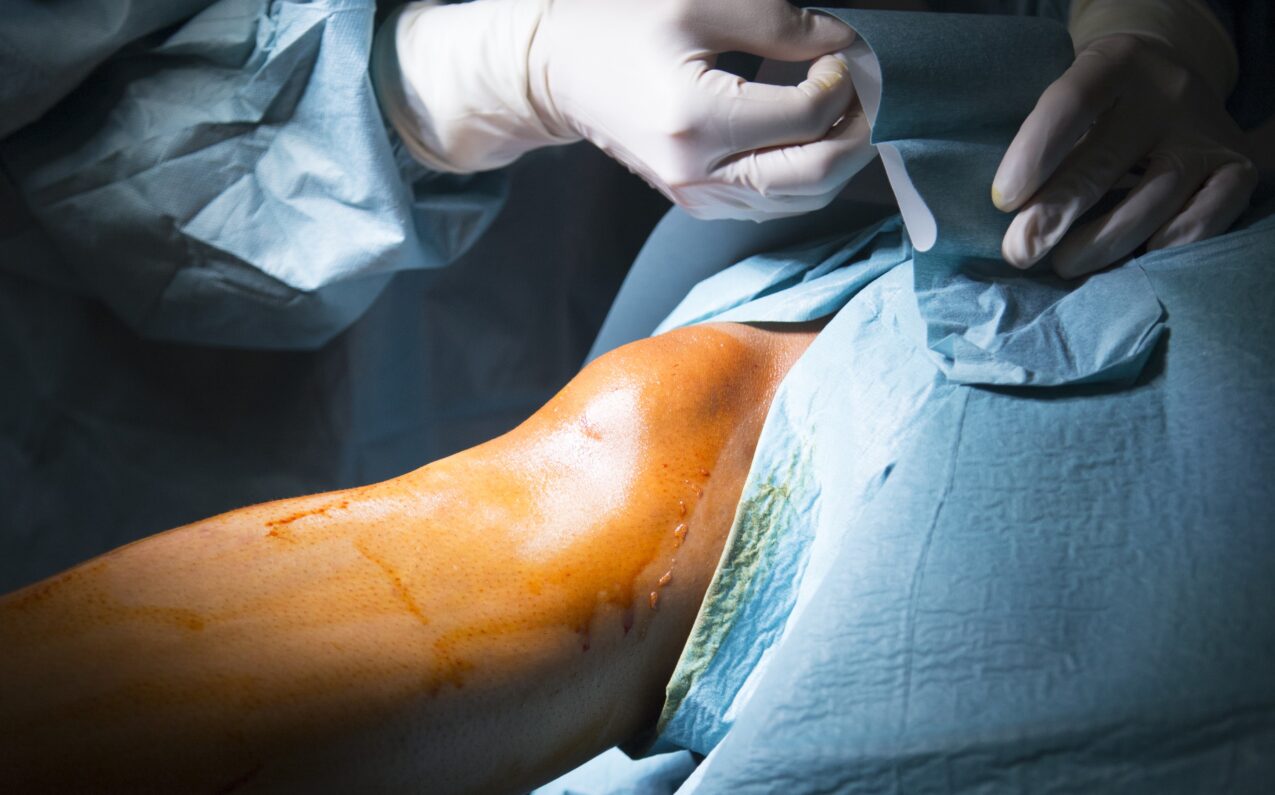
What is Arthroscopic Joint Surgery?
Arthroscopic joint surgery is one of the most prominent advancements in orthopedics, combining diagnosis and treatment in one procedure.
The surgery is performed using a small camera and tiny surgical instruments inserted through very small incisions, allowing the doctor to see the internal details of the joint with high precision without open surgery.
This technique allows many joint problems to be treated accurately and safely while minimizing damage to healthy tissues.
Uses of Arthroscopy
Arthroscopy is used to treat a wide range of conditions, including:
- Torn cartilage within the joint.
- Ligament injuries (e.g., ACL tears in the knee).
- Chronic joint inflammation.
- Removal of damaged tissues or bone spurs.
The knee and shoulder are the most commonly treated joints, followed by the ankle, hip, and wrist.
Advantages Compared to Traditional Surgery
Arthroscopic joint surgery is less painful and safer than traditional surgery.
Small incisions reduce the risk of bleeding or infection, and recovery time is much shorter.
Patients often leave the hospital the same day and return to normal activities within days or weeks, depending on the condition.
Precise Results and Faster Patient Recovery
The success of arthroscopic joint surgery depends on the orthopedic surgeon’s experience and skill in using the tools and arthroscope.
It is therefore an ideal choice for athletes or anyone needing to regain mobility quickly with minimal complications.
Thanks to continuous advancements in arthroscopic joint techniques, this procedure has become the gold standard for precise and safe treatment, providing effective results and real comfort without complex surgery or long recovery periods.